Intra Abdominal pressure

Q) Which of the following is not true about Intra abdominal pressure (IAP) 

a) Normal Intra abdominal pressure in most people is less than 5 mmHg

b) After non complicated surgery  IAP remains less than 5mm Hg

c) IAH (Intra abdominal hypertension) is IAP more than 12 mmHG

d) ACS is IAP more than 20 mm Hg
Question on Management of Abdominal Compartment Syndrome

Allograft Rejection

Q) Which of the following is false regarding HLA in graft rejection? 

a) HLA (Human leucocyte antigen) is the most common cause of graft rejection

b) They mainly serve as antigen recognition unit

c) HLA also serve as effector cells 

d) They are highly polymorphic

Gastric lymphoma

Q ) Treatment of Primary Gastric Lymphoma is 

a) Surgery

b) chemotherapy

c) Radiotherapy

d) Both chemo and radiotherapy

Stomach Physiology

Q) Regarding the microscopic anatomy of stomach, false statement is ?

a) Parietal cells are abundant in the body of stomach and secrete H+

b) Chief cells produce pepsinogen I and II

c) G cells are abundant in gastric antrum

d) ECL cells are abundant in antrum 

Ans visible for premium members


Delayed complications of loop gastrojejunostomy

Q) Most common delayed complication of loop gastrojejunostomy

a) anemia

b)) gastric reflux

c) stricture

d) malignancy

Ans visible for premium members


Thyroid cancer USG


Q)  Feature on USG that  has the highest sensitivity to predict thyroid carcinoma consistently across studies? ( #Head and Neck Onco) 

a)Microcalcifications
b)More tall than wide


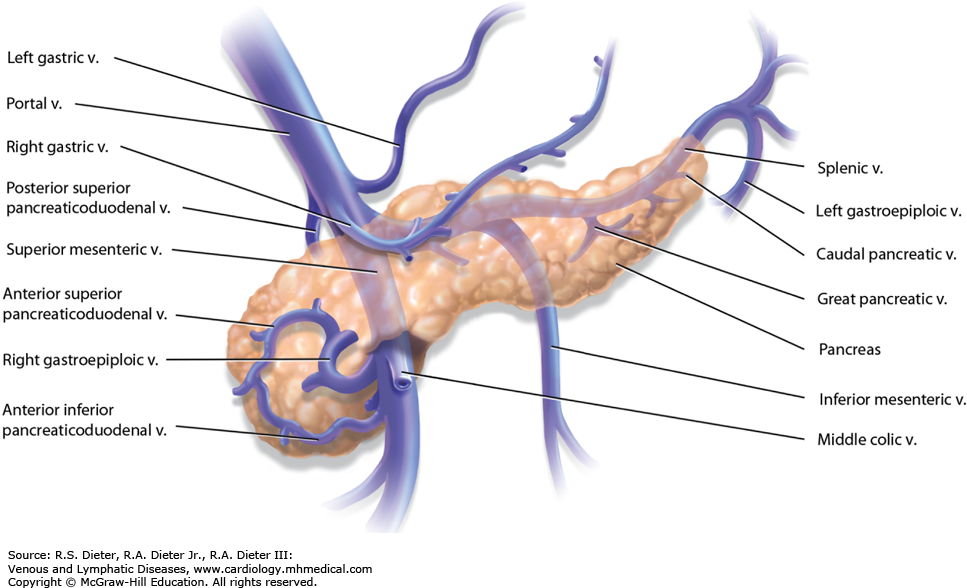
Right gastroepiploic vein

Q) Right gastroepiploic vein drains into
A. Splenic vein
B. Left gastric vein
C. Portal vein
D. Superior mesenteric vein


ANswer is free

D

SMV

Veins of SMV
Right gastro epiploic vein

The right gastroepiploic vein is a significant blood vessel located in the abdomen. It runs parallel to the right gastroepiploic artery and is an essential part of the venous drainage system of the stomach.

Originating from the greater curvature of the stomach, this vein receives blood from various branches, including the short gastric veins. As it continues its course, it eventually joins with the superior mesenteric vein, contributing to the portal venous system. Understanding the anatomy and function of the right gastroepiploic vein is crucial for medical professionals in diagnosing and treating related conditions, ensuring proper circulation and overall digestive health.

The right gastroepiploic vein is essential in many surgical procedures:

  • Gastric Bypass and Gastric Cancer Surgery: The RGEV may require ligation or resection in gastrectomy procedures. Surgeons should be cautious of potential bleeding risks and the implications for vascular flow.
  • Coronary Artery Bypass Grafting (CABG): Surgeons often use the right gastroepiploic artery as a graft, though the associated vein is also considered during CABG preparation due to its proximity and importance.
  • Trauma and Emergency Surgery: Understanding Right gastroepiploic vein anatomy aids in identifying bleeding sources, especially in abdominal injuries.

Questions on Liver 

Surgery Anatomy

Spleen neoplasm

Q) Most common primary neoplasm of the spleen is 

a) NHL (Non Hodgkin lymphoma)

b) Hodgkin Lymphoma

c) Haemangioma

b) Haemangiosarcoma

Answer for premium members only, Log in and press the button below (Users not logged in will see blank space)


Marjolin Ulcer

Marjolin Ulcer MCQ – Most Common Histological Type

📘 Theme: Plastic Surgery – Chronic Ulcers & Malignant Transformation (NEET SS / INI-CET High Yield)

Clinical Surgery MCQ

A 35-year-old male presents with a Marjolin ulcer involving the leg. Which of the following statements regarding Marjolin ulcer is true?

A. Lymphatic spread is common
B. They are painful
C. They are aggressive and fast-growing tumors
D. Squamous cell carcinoma is the most common type

Answer: D. Squamous cell carcinoma is the most common type

Explanation

Marjolin ulcer refers to the development of a malignancy, most commonly squamous cell carcinoma (SCC), within a long-standing scar, burn scar, sinus tract, or chronic ulcer. Basal cell carcinoma may also occur but is much less common.

Scar tissue is relatively avascular and lacks normal lymphatic channels. As a result, these tumors typically exhibit slow growth initially. However, once the tumor extends into surrounding normal tissue, lymphatic spread and metastasis may occur.

Marjolin ulcers are classically associated with chronic burn scars but may arise in any long-standing ulcer, including venous ulcers.

Why other options are incorrect

  • A. Lymphatic spread is common: False. Scar tissue lacks lymphatics; lymphatic spread usually occurs only after invasion into adjacent normal tissue.
  • B. They are painful: False. Scar tissue lacks nerve endings, therefore pain is typically a late feature.
  • C. They are aggressive and fast-growing tumors: False. Marjolin ulcers are generally slow-growing because of the avascular nature of scar tissue, although they possess metastatic potential.

High-yield teaching points

  • Marjolin ulcer = malignant transformation in a chronic scar or ulcer.
  • Most common histology: Squamous cell carcinoma.
  • Classically develops in long-standing burn scars.
  • Can also occur in venous ulcers, pressure sores, osteomyelitic sinuses, and chronic wounds.
  • Pain and lymphatic spread are usually late features.
  • Scar tissue is relatively devoid of lymphatics and nerve endings.
  • Although slow growing, these lesions can metastasize once they invade surrounding healthy tissue.
  • Bailey & Love 28th Edition, Page 625.

Practice More Surgery MCQs


Contrast hazards in radiology

Q1. Not true about hazards of contrast medium use in radiological interventions?

a) Use of newer agents have improved the risk of sudden death

b) Low osmolar contrast agents are better than previously used high contrast medium

c) After contrast injections, patients should be observed for 30 mins

d) Metformin can be continued in patients with normal renal function
Answer 1